
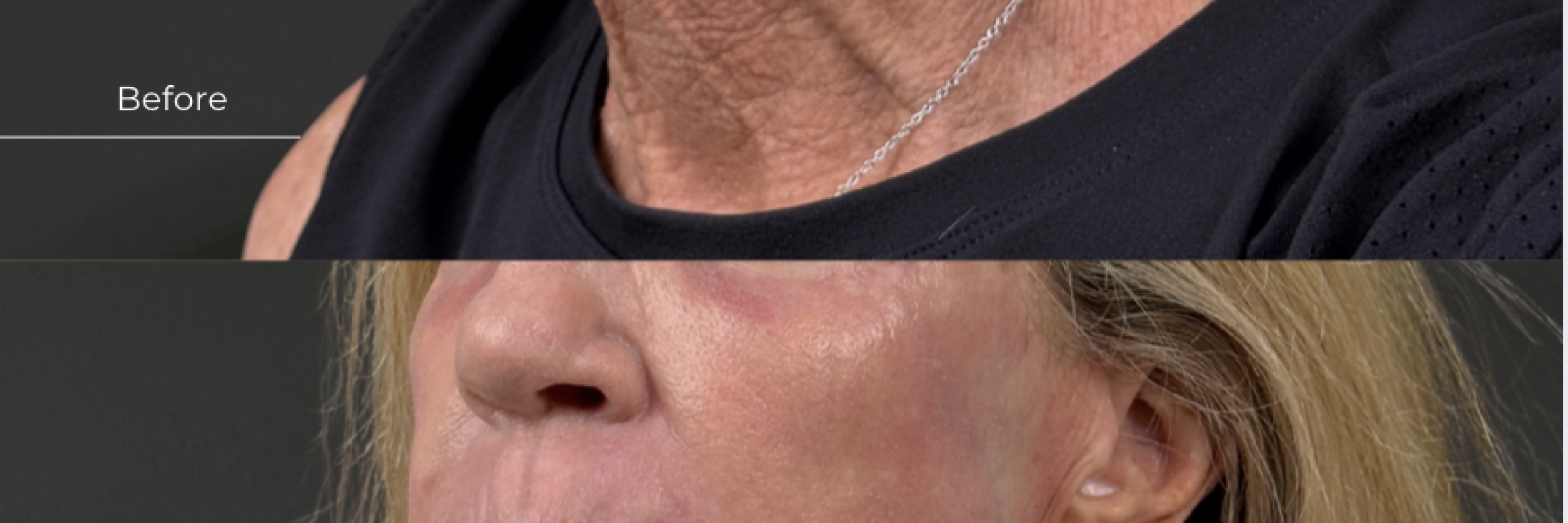
Deep Laser Resurfacing In Tampa: Benefits, Recovery & Who It’s For
At Inertia Tampa, deep laser resurfacing can be performed using Sciton Contour TRL, an advanced resurfacing technology that allows providers to customize treatment depth based on a patient’s skin concerns and goals. Deep laser resurfacing is an advanced skin treatment that uses concentrated light energy to remove damaged outer skin layers and stimulate collagen production in the deeper dermis, delivering dramatic improvements for severe wrinkles, sun damage, and acne scarring. This intensive procedure penetrates further into the skin than lighter laser treatments, making it the most powerful option for patients seeking significant, long-lasting facial rejuvenation. Understanding who should do deep laser resurfacing and who should consider alternatives is essential for determining whether this treatment aligns with your skin concerns, health profile, and lifestyle.
For Tampa residents evaluating their options, deep laser resurfacing represents a meaningful investment in both time and results. Unlike superficial treatments that require multiple sessions for modest improvements, deep resurfacing can achieve transformative outcomes in a single treatment, though it requires a more substantial recovery period. The key to success lies in proper candidate selection, realistic expectations, and treatment by a qualified provider who understands how to customize the procedure for your unique skin.
What Is Deep Laser Resurfacing?
Deep laser resurfacing is a procedure that uses ablative laser technology, most commonly CO2 or Erbium lasers to precisely vaporize damaged skin tissue layer by layer while simultaneously heating the underlying dermis to trigger robust collagen remodeling. What is CO2 laser treatment at its core? It’s a method of controlled skin injury that prompts your body’s natural healing response, resulting in smoother, tighter, more evenly toned skin as new tissue forms.
The procedure works by delivering intense light energy that is absorbed by water in the skin cells. This energy converts to heat, which removes the targeted tissue with remarkable precision. As the outer layers are removed, the heat also penetrates into the deeper dermis, where it denatures existing collagen fibers and stimulates fibroblasts to produce new collagen over the following months.
What does laser do to your skin in practical terms? It essentially resets the clock on accumulated damage. Years of sun exposure, environmental stress, and natural aging create textural irregularities, pigmentation changes, and structural breakdown that topical products cannot reverse. Deep laser resurfacing addresses these concerns at their source by removing the damaged tissue entirely and prompting your skin to rebuild itself from within.
At Inertia Tampa, our laser skin rejuvenation services include deep resurfacing options using advanced Sciton technology, which allows our providers to precisely control treatment depth based on your specific concerns and skin characteristics.
Deep Laser Resurfacing vs. Lighter Treatments: Key Differences
Deep laser resurfacing differs from lighter treatments primarily in penetration depth, intensity of results, and recovery requirements. While all laser resurfacing procedures work by removing outer skin layers and stimulating collagen, the depth of treatment determines both the magnitude of improvement and the downtime involved.
Lighter treatments like NanoLaserPeel remove only the outermost layer of dead skin cells, producing a refreshed appearance with minimal downtime, often just a day or two of mild redness. These superficial treatments work well for dull skin, minor texture concerns, and maintenance between more intensive procedures.
MicroLaserPeel penetrates slightly deeper, addressing mild sun damage, fine lines, and early signs of aging. Recovery typically spans three to four days, and patients often see noticeable improvement in skin clarity and smoothness. However, these mid-level treatments cannot adequately address deep wrinkles, significant scarring, or severe photodamage.
Deep laser resurfacing reaches into the papillary and upper reticular dermis, where the structural damage responsible for deep wrinkles and pronounced scarring actually resides. This depth of treatment produces the most dramatic results, significant wrinkle reduction, substantial scar improvement, and meaningful skin tightening—but requires one to two weeks of active healing followed by several weeks of residual pinkness as the new skin matures.
The choice between treatment levels depends entirely on your concerns and goals. Patients with mild issues and limited downtime availability may achieve satisfactory results with lighter options. Those with severe damage who want transformative improvement and can accommodate the recovery period are better suited for deep resurfacing.
Who Is an Ideal Candidate for Deep Laser Resurfacing?
Ideal candidates for deep laser resurfacing are individuals with significant skin concerns that lighter treatments cannot adequately address, combined with the health profile and lifestyle factors that support safe treatment and proper healing. Does laser skin resurfacing work for everyone? No, but for the right candidates, it delivers results that no other non-surgical treatment can match.
The best candidates typically present with one or more of the following concerns:
- Moderate to severe facial wrinkles, particularly around the mouth and eyes
- Deep acne scarring that creates textural irregularities
- Significant sun damage with pronounced pigmentation changes and rough texture
- Precancerous skin lesions (actinic keratoses) requiring removal
- Overall skin laxity and loss of firmness in the face
For patients specifically concerned about scarring, understanding whether Halo laser treatment helps with acne scars or whether deep resurfacing is more appropriate depends on scar depth and severity. Deep resurfacing excels at addressing ice pick scars, boxcar scars, and rolling scars that extend into the dermis.
Candidates exploring Contour TRL from top Tampa providers should understand that this specific deep resurfacing modality offers exceptional precision and customization, allowing providers to tailor treatment depth to different facial zones based on skin thickness and concern severity.
Beyond skin characteristics, ideal candidates share certain practical qualities. They can take one to two weeks away from work and social obligations for initial recovery. They are committed to strict sun avoidance during the healing period. They have realistic expectations about both the results and the process. And they are in good overall health without conditions that impair wound healing.
What to Expect: Recovery, Results, and Safety
Recovery from deep laser resurfacing follows a predictable timeline, though individual experiences vary based on treatment depth, skin characteristics, and adherence to aftercare protocols. How painful is deep laser resurfacing? During the procedure itself, topical anesthesia, nerve blocks, or sedation ensure patient comfort. Post-treatment discomfort resembles a significant sunburn and is typically well-managed with prescribed medications and cooling measures.
The first week represents the most intensive healing phase. Treated skin appears raw and weepy as the body produces new tissue to replace what was removed. Patients apply ointment continuously to keep the area moist and protected. Swelling peaks around day two or three, then gradually subsides. Most patients feel comfortable returning to non-public activities by day five to seven, though the skin remains visibly pink.
During weeks two through four, the new skin continues maturing. Pinkness fades gradually, and most patients can return to work and social activities with mineral makeup to camouflage residual color. Sun protection is absolutely critical during this period, new skin is highly susceptible to UV damage and pigmentation changes.
Full results emerge over three to six months as collagen remodeling continues beneath the surface. Does laser resurfacing tighten skin? Yesm, the thermal injury to the dermis triggers a wound-healing response that includes collagen contraction and new collagen synthesis, producing measurable skin tightening that continues improving for months after treatment.
How many laser treatments are needed for scars or other concerns? Deep resurfacing typically achieves significant improvement in a single session, unlike lighter treatments that require multiple rounds. Some patients with severe scarring may benefit from a second treatment after full healing, but many achieve their goals with one procedure.
Is laser resurfacing permanent for acne scars? The structural improvements to scar tissue are long-lasting, as the remodeled collagen and resurfaced skin represent genuine tissue change rather than temporary effects. However, skin continues aging, and new damage can occur without proper sun protection and skincare maintenance.
Can laser remove dark spots? Deep resurfacing effectively eliminates sun spots, age spots, and other pigmented lesions by removing the melanin-containing tissue entirely. Results are typically dramatic and long-lasting, provided patients protect their skin from future UV exposure.
Safety considerations extend beyond the procedure itself. Choosing a qualified provider with specific training in laser resurfacing significantly reduces complication risks. Proper patient selection, appropriate treatment parameters, and comprehensive aftercare protocols all contribute to safe outcomes.
Schedule Your Deep Laser Resurfacing Consultation in Tampa
Determining whether deep laser resurfacing is right for you requires an in-person evaluation with a provider who can assess your skin, review your medical history, and discuss your goals in detail. At Inertia Tampa, our consultations are designed to give you the information you need to make a confident decision, whether that leads to deep resurfacing, an alternative treatment, or a customized combination approach.
During your consultation, we evaluate your skin type, examine your specific concerns, and discuss your lifestyle and recovery capacity. We explain exactly what deep resurfacing can and cannot accomplish for your situation, and we present alternatives if you’re not an ideal candidate. Our goal is matching you with the treatment that will actually deliver the results you want, not simply performing procedures.
Our team of providers brings specialized training in advanced laser technologies, including the Sciton platform that powers our deep resurfacing treatments. This expertise allows us to customize treatment parameters precisely, optimizing results while minimizing risks.
If you’re ready to explore whether deep laser resurfacing can address your skin concerns, contact Inertia Tampa to schedule your consultation. We’ll help you understand your options and create a treatment plan aligned with your goals, your skin, and your life.
Frequently Asked Questions
Who is a good candidate for deep laser resurfacing?
Good candidates for deep laser resurfacing have moderate to severe skin concerns, such as deep wrinkles, significant acne scarring, or pronounced sun damage that lighter treatments cannot adequately address. Ideal candidates are in good overall health, can accommodate one to two weeks of recovery, and have realistic expectations about results. A consultation with a qualified provider confirms candidacy based on individual skin assessment and medical history.
Does deep laser resurfacing permanently remove acne scars?
Deep laser resurfacing produces long-lasting structural improvements to acne scars by removing damaged tissue and stimulating collagen remodeling that fills and smooths scar depressions. These changes represent genuine tissue transformation rather than temporary effects. However, results depend on scar type and severity, and some patients with extensive scarring may benefit from additional treatments.
Does laser resurfacing tighten skin?
Yes, deep laser resurfacing tightens skin through two mechanisms. The immediate thermal effect causes existing collagen fibers to contract, producing instant tightening. Over the following months, the wound-healing response generates new collagen that provides additional structural support and firmness. Skin tightening continues improving for three to six months after treatment.
How painful is deep laser resurfacing, and what is the recovery like?
During treatment, most patients report feeling pressure and warmth rather than pain. Post-treatment discomfort resembles a significant sunburn and is managed with prescribed medications. Recovery involves one to two weeks of intensive healing with raw, weepy skin, followed by several weeks of residual pinkness. Most patients return to normal activities within two weeks.
How many deep laser treatments are needed to see results?
Deep laser resurfacing typically achieves significant improvement in a single treatment session, unlike lighter procedures requiring multiple rounds. Most patients see dramatic results after one treatment, with continued improvement over three to six months as collagen remodeling progresses. Patients with severe scarring may occasionally benefit from a second treatment after complete healing.