
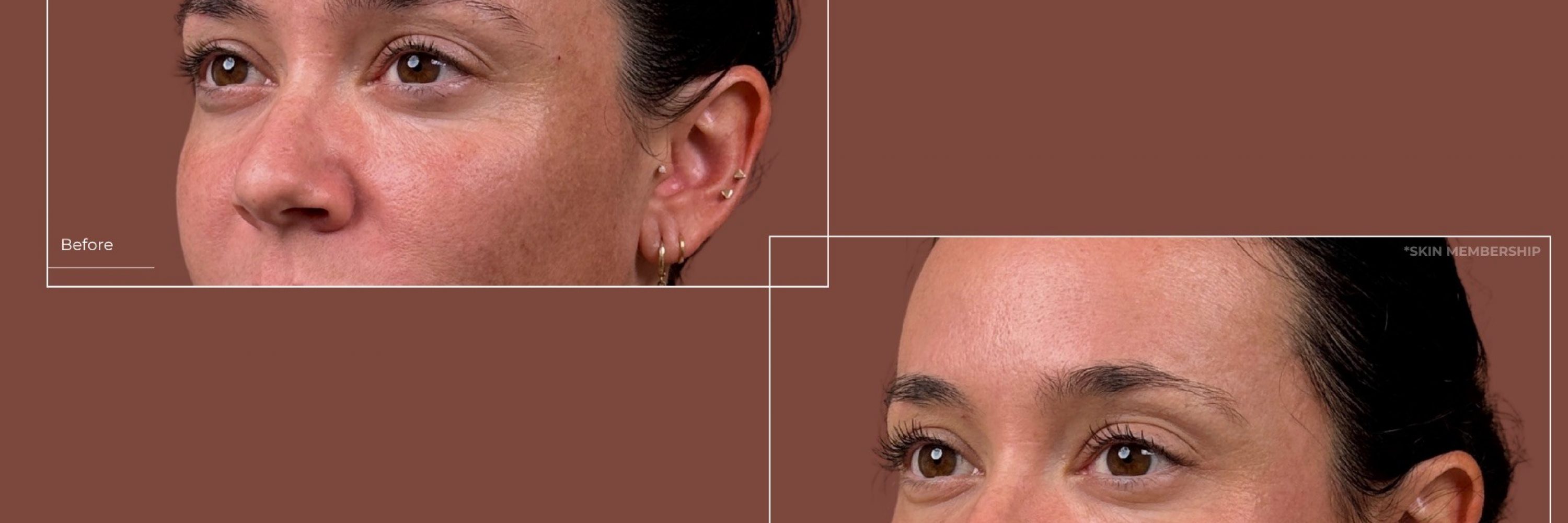
How Does Halo Laser Treatment Help with Acne Scars?
Halo laser helps with acne scars by combining two wavelengths—ablative and non-ablative—in a single fractional laser skin resurfacing treatment that stimulates collagen production while resurfacing damaged skin layers. This hybrid approach makes tiny perforations in the skin to trigger the body’s natural healing response, which fills in pitted or depressed scars and smooths uneven texture over time. For many patients dealing with persistent acne scarring, Halo offers a middle ground between aggressive fully ablative lasers and gentler treatments that may not deliver visible improvement.
If you’ve tried topical solutions without success or feel self-conscious about acne scars that have lingered since your teenage years or adult breakouts, understanding how Halo laser for acne scars works can help you decide whether this treatment aligns with your skin goals. The technology addresses multiple concerns simultaneously—scarring, discoloration, and texture irregularities—making it a versatile option for laser acne scar reduction.
What Types of Acne Scars Does Halo Laser Treat?
Halo laser treats mild to moderate acne scarring most effectively, particularly rolling scars, shallow boxcar scars, and post-acne discoloration. The treatment works by targeting uneven texture and stimulating collagen remodeling in the dermis, which helps fill depressed areas and create a smoother skin surface.
Rolling scars, which appear as wave-like undulations across the skin, respond well to Halo because the laser’s fractional approach encourages new collagen formation beneath these broad, shallow depressions. Boxcar scars with defined edges but relatively shallow depth also show improvement, as the resurfacing action helps soften their angular appearance over multiple sessions.
Post-inflammatory hyperpigmentation—the dark marks left behind after acne heals—is another concern Halo addresses effectively. The treatment has been shown to eliminate discoloration and sun damage while improving overall skin tone, making it a strong option for hyperpigmentation treatment alongside scar reduction.
However, deeper scars like ice-pick scars, which extend deep into the dermis with narrow, V-shaped profiles, may require additional or alternative treatments. If you’re currently managing active breakouts alongside existing scarring, addressing the acne itself is an important first step. Resources on skincare for teens and acne prevention can help establish a foundation before pursuing laser procedures for acne scars.
How Halo’s Dual-Wavelength Technology Targets Acne Scarring
Halo is the first hybrid fractional laser on the market, combining ablative and non-ablative wavelengths in a single treatment session to address acne scarring at multiple skin depths simultaneously. This dual-wavelength approach allows practitioners to customize treatment intensity based on your specific scar type and skin concerns.
The ablative wavelength removes damaged surface tissue by vaporizing thin layers of skin, which helps smooth texture irregularities and reduce the visible depth of scars. Meanwhile, the non-ablative wavelength penetrates deeper without removing tissue, heating the dermis to stimulate collagen production and tissue tightening from within.
This combination means Halo can deliver more comprehensive results than single-wavelength lasers while maintaining a more manageable recovery profile than fully ablative treatments. The laser makes tiny perforations in the skin—a process called fractional resurfacing—which leaves surrounding tissue intact to speed healing while still triggering significant collagen remodeling.
The collagen stimulation is what ultimately fills in pitted or depressed scars over time. As your skin heals and produces new collagen fibers, the depressions become less pronounced and skin texture becomes more uniform. This process continues for months after treatment as collagen remodeling progresses.
To explore the full range of laser skin rejuvenation options available and understand how Halo fits into a comprehensive skin health plan, consulting with a qualified provider is essential.
Halo Laser vs. Other Fractional Laser Skin Resurfacing Treatments
Halo distinguishes itself from other laser treatment for removing acne scars by combining two wavelengths in one session, whereas most alternatives use either ablative or non-ablative technology alone. This hybrid approach often allows patients to achieve results comparable to more aggressive treatments with less downtime.
Fully ablative lasers like CO2 lasers remove entire layers of skin and can produce dramatic results for severe scarring, but they require extended recovery periods and carry higher risks of complications, particularly for patients with darker skin tones. Non-ablative lasers are gentler with minimal downtime but typically require more sessions to achieve noticeable improvement in acne scars.
Fraxel, another popular fractional laser skin resurfacing treatment, comes in both ablative (Fraxel Repair) and non-ablative (Fraxel Dual) versions. Patients must choose one approach per session, whereas Halo delivers both simultaneously. This can mean fewer total treatments to reach your desired outcome.
For patients considering their options, ProFractional therapy offers another fractional approach that creates micro-channels in the skin to stimulate collagen production. Some patients benefit from combining different laser modalities based on their specific scar patterns and skin type.
Contour TRL represents another skin resurfacing treatment option that can be customized from light peels to deeper resurfacing, offering flexibility for patients with varying scar severity and downtime tolerance.
The best treatment for acne scars removal depends on your individual scar type, skin tone, lifestyle, and how much downtime you can accommodate. A consultation helps determine which pimple scar laser treatment or combination approach will deliver optimal results for your specific concerns.
What to Expect: Results, Recovery, and Downtime
Most patients experience visible improvement in acne scarring after Halo treatment, with rolling scars showing approximately 85% improvement in some cases and complete elimination of discoloration and sun damage. Results develop progressively as collagen remodeling continues over the months following treatment.
Immediately after a Halo session, expect your skin to appear red and feel warm, similar to a sunburn. Swelling is common for the first few days, and you may notice a bronzed appearance as the treated skin begins to heal. Most patients experience peeling between days three and five as the damaged surface layer sheds.
The initial recovery period typically spans five to seven days, during which you’ll need to follow specific aftercare instructions including gentle cleansing, consistent moisturization, and strict sun avoidance. For Tampa-area patients, protecting healing skin from Florida sun exposure is particularly important—understanding how to treat and prevent sun damage supports both your recovery and long-term results.
Social downtime varies based on treatment intensity. Some patients feel comfortable returning to work within a few days with makeup to cover residual redness, while others prefer to allow a full week for the most visible healing to complete. Your provider will customize your treatment settings based on your scar severity and available recovery time.
Full results from a single Halo treatment typically become apparent within two to three months as new collagen matures and skin texture continues to improve. Many patients with moderate acne scarring benefit from a series of treatments spaced several weeks apart to achieve optimal acne mark removal laser results.
Is Halo Laser for Acne Scars Worth the Investment?
Halo laser is often considered one of the best laser treatments for acne scars because it combines two wavelengths in a single session, potentially reducing the total number of treatments needed compared to single-wavelength alternatives. For patients who have tried topical solutions without success, the investment in professional laser procedures for acne scars often delivers the visible improvement that creams and serums cannot achieve.
The value proposition depends on several factors: the severity of your scarring, your skin type, how many sessions you’ll need, and how the results will impact your confidence in professional and social settings. Many scar-conscious professionals find that addressing long-standing acne scars provides a meaningful boost to self-esteem that extends well beyond the cosmetic improvement itself.
When evaluating cost, consider that Halo’s hybrid technology may deliver results in fewer sessions than non-ablative lasers alone, which can offset the higher per-treatment price point. The reduced downtime compared to fully ablative options also means less time away from work and daily activities.
For patients with concerns beyond acne scarring—such as melasma or other pigmentation issues—exploring complementary treatments like Pico Genesis for melasma can help address multiple skin concerns as part of a comprehensive treatment plan.
Additionally, non-invasive anti-aging treatments can complement and maintain Halo results over time, helping you maximize your investment in skin health. Many patients find that combining treatments strategically delivers better long-term value than any single procedure alone.
Setting realistic expectations is essential: Halo laser significantly improves acne scarring but does not completely erase all scars. Most patients achieve substantial improvement in texture, tone, and scar visibility, but some residual scarring may remain, particularly with deeper or more extensive damage.
Schedule Your Acne Scar Consultation in Tampa
The most effective way to determine whether Halo laser is right for your acne scars is through an in-person consultation with a qualified provider who can assess your specific scar type, skin tone, and treatment goals. During this evaluation, you’ll receive personalized recommendations based on your individual concerns and learn exactly what results you can realistically expect.
At Inertia in Tampa, our team evaluates each patient’s scarring pattern, skin health history, and lifestyle factors to create customized treatment plans. We’ll discuss whether Halo alone or a combination of skin resurfacing treatments will best address your concerns, and we’ll provide transparent information about expected results, recovery, and investment.
If you’re ready to finally address acne scars that have affected your confidence, scheduling a consultation is the first step toward smoother, more even skin. Contact Inertia Tampa to book your acne scar assessment and learn how Halo laser treatment can help you achieve your skin goals.
Frequently Asked Questions
What is Halo laser and how does it work on acne scars?
Halo laser is the first hybrid fractional laser that combines ablative and non-ablative wavelengths in a single treatment. It works on acne scars by making tiny perforations in the skin that trigger the body’s natural healing response, stimulating collagen production to fill in pitted or depressed scars while resurfacing damaged tissue to smooth uneven texture.
What types of acne scars does Halo laser treat best?
Halo laser treats rolling scars and shallow boxcar scars most effectively, along with post-inflammatory hyperpigmentation and uneven skin texture. The treatment works well for mild to moderate scarring but may be less effective for deep ice-pick scars, which often require additional or alternative approaches.
How many Halo laser treatments are needed for acne scars?
Most patients with acne scarring benefit from one to three Halo treatments spaced several weeks apart, depending on scar severity and desired results. Some patients see significant improvement after a single session, while others with more extensive scarring achieve optimal results through a treatment series.
How does Halo laser compare to other laser treatments for acne scars?
Halo combines ablative and non-ablative wavelengths simultaneously, whereas most alternatives like Fraxel use one approach per session. This hybrid technology often delivers comparable results to more aggressive treatments with less downtime, potentially reducing the total number of sessions needed for visible improvement.
What is the recovery and downtime like after Halo laser treatment?
Initial recovery spans five to seven days with redness, swelling, and peeling as the skin heals. Most patients feel comfortable returning to normal activities within a week, though residual pinkness may persist longer. Strict sun protection is essential during healing, particularly in sunny climates like Tampa.
Will Halo laser completely remove acne scars?
Halo laser significantly improves acne scarring but does not completely erase all scars. Most patients experience substantial improvement in texture and visibility—with rolling scars showing up to 85% improvement in some cases—but some residual scarring may remain, particularly with deeper damage.
Is Halo laser safe for all skin tones and types?
Halo laser can be safely used on various skin tones when treatment settings are appropriately customized by an experienced provider. Patients with darker skin tones or a history of hyperpigmentation should discuss their concerns during consultation, as careful parameter selection helps minimize risks like post-inflammatory pigmentation changes.