
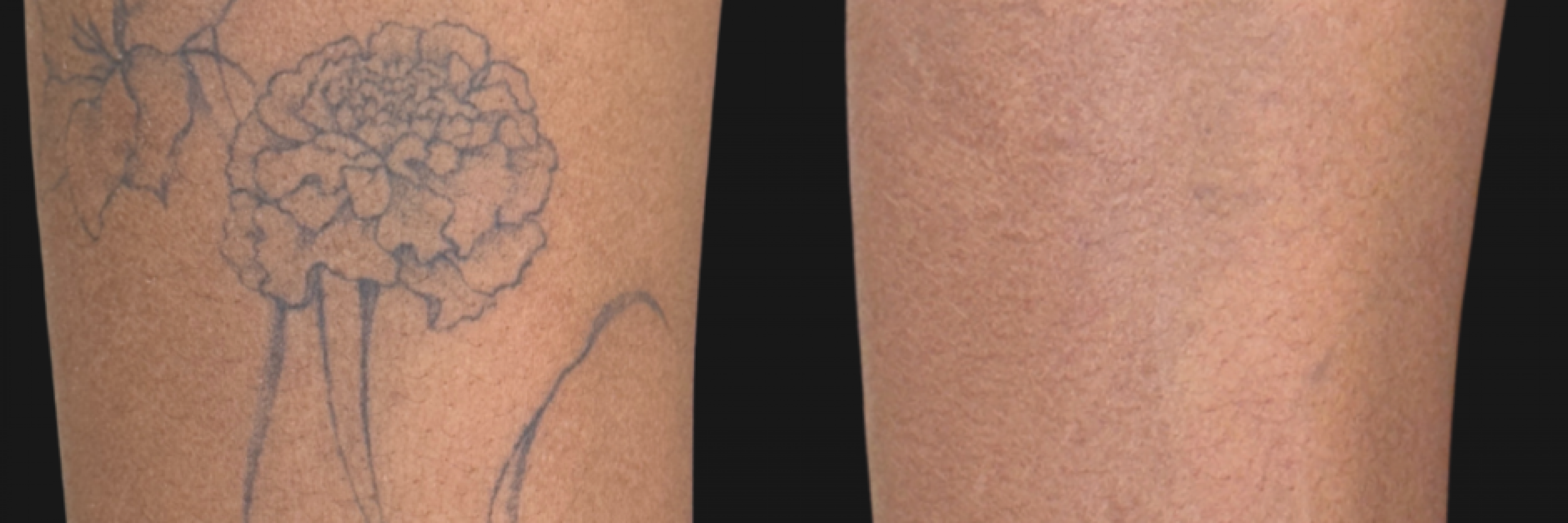
Everything You Need To Know About Laser Tattoo Removal
Laser tattoo removal works by using concentrated light energy to break apart ink particles beneath your skin, which your body then naturally eliminates over time. Most people require between six and twelve sessions to achieve complete removal, though this number varies based on factors like ink color, tattoo age, and skin tone. If you’re considering laser tattoo removal in Tampa, understanding the process, timeline, and aftercare requirements will help you set realistic expectations and achieve the best possible results.
Whether you’re a young professional looking to remove a visible tattoo that no longer fits your career path, someone ready to erase a reminder of a past relationship, or a tattoo enthusiast planning to fade old ink for a better cover-up, this guide covers everything you need to make an informed decision about your treatment journey.
How Does Laser Tattoo Removal Work?
Laser tattoo removal uses targeted pulses of light energy to shatter ink particles trapped in the dermis layer of your skin. The laser emits specific wavelengths that pass through the outer skin and are absorbed by the tattoo pigment, causing the ink to fragment into microscopic pieces small enough for your immune system to flush away.
Different ink colors absorb different wavelengths of light, which is why advanced laser systems like the Enlighten III use multiple wavelengths to treat a full spectrum of tattoo colors. Black ink absorbs all wavelengths and responds most readily to treatment, while colors like green, blue, and yellow require specific wavelength targeting for effective breakdown.
The technology behind modern tattoo removal has evolved significantly. Q-switched laser tattoo removal was the industry standard for years, delivering nanosecond pulses to fragment ink. Newer picosecond lasers deliver energy in even shorter bursts, creating a photoacoustic effect that shatters ink more efficiently with less heat transfer to surrounding tissue.
Your body does the heavy lifting after each session. Once the laser breaks apart the ink particles, your lymphatic system gradually carries the fragments away over the following weeks. This is why sessions must be spaced apart, your body needs time to process and eliminate the shattered ink before the next treatment can target deeper or remaining pigment.
If you’re still wondering whether your specific tattoo can be removed, you can learn more about what makes tattoos removable and how different factors affect treatment outcomes.
How Many Sessions Does Laser Tattoo Removal Take?
Most tattoos require between six and twelve sessions for complete removal, with some taking fewer and others requiring more depending on specific characteristics. This range accounts for the significant variability between tattoos, skin types, and individual healing responses.
Amateur tattoos, often applied with less ink at shallower depths, typically clear in four to six sessions. Professional tattoos with dense, saturated ink applied at consistent depths usually fall in the eight to twelve session range. Heavily layered tattoos or those with stubborn colors like green and light blue may require additional treatments beyond the typical range.
Sessions are typically scheduled six to eight weeks apart to allow adequate healing and immune response between treatments. This spacing means complete removal often takes twelve to eighteen months or longer from start to finish. Rushing the process by scheduling sessions too close together doesn’t speed up results, it increases the risk of complications and can actually slow your overall progress.
The session count also depends on your removal goal. If you’re fading a tattoo for a cover-up rather than pursuing complete removal, you may only need three to five sessions to lighten the ink enough for your tattoo artist to work over it effectively.
What Factors Affect Your Tattoo Removal Timeline?
Your tattoo removal timeline depends on a combination of tattoo characteristics, your body’s healing capacity, and the technology used during treatment. Understanding these factors helps you set realistic expectations before beginning your removal journey.
Ink color plays a major role in treatment duration. Black and dark blue inks respond fastest because they absorb the broadest range of light wavelengths. Red, orange, and purple inks also respond well to specific wavelengths. Green, light blue, and yellow inks are traditionally the most stubborn, often requiring additional sessions with specialized wavelength targeting.
Tattoo age affects removal speed in your favor. Older tattoos have typically faded naturally over time as your immune system has already broken down some of the ink particles. A twenty-year-old tattoo will generally clear faster than one applied two years ago.
Tattoo location matters because blood circulation and lymphatic drainage vary across your body. Tattoos on your torso, upper arms, and thighs tend to clear faster due to better circulation. Ink on your hands, feet, and lower legs often takes longer because these areas have reduced blood flow.
Your skin tone influences both treatment approach and timeline. Lighter skin tones allow for more aggressive treatment settings because there’s greater contrast between the skin and ink. Darker skin tones require more conservative settings to avoid hypopigmentation, which may extend the total number of sessions needed. Modern laser systems with multiple wavelengths have made treatment safer and more effective across all skin tones.
Ink density and layering also impact your timeline. A single-pass tattoo with moderate ink saturation clears more predictably than a heavily saturated piece or one that’s been touched up multiple times. Cover-up tattoos that contain multiple layers of ink from different sessions present the most complex removal scenarios.
Working with an experienced provider makes a measurable difference in your results. Providers like Jessica Suber, PA-C who specialize in laser treatments can assess these factors during your consultation and provide a personalized estimate based on your specific tattoo and skin characteristics.
Laser Tattoo Removal Before and After: What to Expect During Healing
Immediately after your laser session, the treated area will appear white or frosted, this is a normal response caused by gas bubbles forming as the ink particles shatter. This frosting typically subsides within twenty to thirty minutes.
In the hours following treatment, you can expect redness, swelling, and tenderness similar to a sunburn. Some patients experience blistering, which is a normal part of the healing process and should not be popped or picked. The treated area may feel warm and appear raised for the first few days.
The tattoo healing timeline after each session follows a predictable pattern. During the first week, blistering and scabbing may occur. By week two, scabs begin to fall off naturally, and the skin underneath starts to heal. Weeks three through six bring continued fading as your lymphatic system processes the shattered ink particles. By week six to eight, the area is typically healed enough for your next session.
Tattoo removal before and after results become visible gradually. You likely won’t see dramatic fading after your first session, the most noticeable changes typically appear after sessions three through five. Taking progress photos before each appointment helps you track changes that might otherwise be difficult to notice day-to-day.
Some patients experience temporary side effects including hyperpigmentation (darkening) or hypopigmentation (lightening) of the treated skin. These changes usually resolve over time, though they may persist for several months in some cases.
If you’re interested in other laser-based skin treatments that can complement your removal journey, laser hair removal uses similar technology and can be scheduled around your tattoo removal appointments.
Fading for a Cover-Up vs. Complete Removal
Fading a tattoo for a cover-up requires significantly fewer sessions than complete removal, making it an efficient option for those planning new artwork. Most cover-up candidates need only three to five sessions to lighten their existing tattoo enough for a skilled artist to work over it.
The goal of fading differs fundamentally from removal. Complete removal aims to eliminate all visible ink, which requires breaking down every layer of pigment until the skin returns to its natural state. Fading only needs to reduce the ink density enough that new tattoo ink can effectively mask what remains underneath.
Your tattoo artist should be part of this conversation. Different cover-up designs require different levels of fading, a large, dark design may only need minimal lightening, while a detailed piece with lighter colors might require more significant fading to prevent the old tattoo from showing through. Consulting with your tattoo artist before beginning laser treatment helps establish a clear endpoint for your fading sessions.
Certain colors and placements benefit most from pre-cover-up fading. Dark, heavily saturated tattoos and those in prominent locations give tattoo artists limited options without some laser preparation. Even partial fading opens up design possibilities that wouldn’t exist otherwise, allowing for more creative freedom and better final results.
The cost savings of fading versus complete removal can be substantial. Fewer sessions mean lower total treatment costs and a shorter timeline before you can get your new tattoo. Many clients complete their fading sessions within three to four months and schedule their cover-up shortly after.
If you’re exploring other aesthetic laser services while planning your cover-up, ClearV and ClearSilk treatments address skin concerns that might affect how your new tattoo heals and ages.
Tattoo Aftercare Instructions for Optimal Results
Proper aftercare between sessions directly impacts your results and can influence how quickly your tattoo fades. Following your provider’s tattoo aftercare instructions protects the treated area and supports your body’s natural ink elimination process.
Keep the treated area clean and dry for the first twenty-four to forty-eight hours. Gently wash with mild, fragrance-free soap and pat dry, avoid rubbing or scrubbing the area. Apply a thin layer of recommended tattoo aftercare ointment such as Aquaphor or a similar healing balm to keep the skin moisturized without suffocating it.
Avoid picking at blisters, scabs, or peeling skin. Tattoo peeling is a normal part of the healing process, and interfering with it can lead to scarring or infection. Let scabs fall off naturally, even if they appear ready to come off. Some providers recommend covering the area with a breathable bandage like Saniderm tattoo aftercare film for the first few days to protect against friction and bacteria.
Sun protection is critical throughout your treatment journey. UV exposure can cause hyperpigmentation in treated areas and may interfere with your next session. Keep the area covered or apply SPF 30 or higher sunscreen once the skin has fully healed from each treatment. Avoid tanning beds entirely during your removal process.
Stay hydrated and maintain overall health to support your lymphatic system. Your body eliminates the shattered ink particles, so anything that supports immune function, adequate water intake, regular exercise, avoiding smoking, can contribute to better results. Smoking in particular has been shown to slow tattoo removal by restricting blood flow to the skin.
Between sessions, you might consider complementary skin health treatments. The Moxi laser is one option for patients interested in overall skin rejuvenation, though you should discuss timing with your provider to avoid overlapping treatments on the same area.
Schedule Your Laser Tattoo Removal Consultation in Tampa
A personalized consultation is the most accurate way to understand your specific removal timeline, expected results, and treatment costs. Every tattoo is unique, and factors that affect your treatment can only be properly assessed in person by an experienced provider.
During your consultation at our Tampa tattoo removal clinic, your provider will evaluate your tattoo’s size, color composition, ink density, and location. They’ll assess your skin tone and discuss your medical history to ensure you’re a good candidate for treatment. You’ll receive a customized treatment plan with an estimated session range and realistic timeline for your goals.
This is also your opportunity to ask questions about the specific laser technology used, what each session involves, and how to prepare for your first treatment. Understanding the process reduces anxiety and helps you commit to the full treatment journey with confidence.
Inertia Tampa uses the Enlighten III laser system, which combines nanosecond and picosecond pulse durations with multiple wavelengths to treat the full spectrum of ink colors across all skin tones. Our team includes nationally recognized specialists who bring clinical expertise to every treatment.
Ready to take the next step? Schedule your laser tattoo removal consultation and meet with our team to discuss your removal or fading goals. Whether you’re pursuing complete removal or preparing for a cover-up, we’ll create a treatment plan tailored to your tattoo and your timeline.
Frequently Asked Questions
How many laser tattoo removal sessions does it take to completely remove a tattoo?
Complete tattoo removal typically requires six to twelve sessions, though the exact number depends on your tattoo’s size, ink colors, age, and location. Amateur tattoos often clear in four to six sessions, while professional tattoos with dense ink may need ten or more. Sessions are spaced six to eight weeks apart, making the total treatment timeline twelve to eighteen months for most patients.
How does laser tattoo removal work?
Laser tattoo removal works by delivering concentrated light pulses that penetrate the skin and are absorbed by tattoo ink particles. The light energy shatters the ink into microscopic fragments that your immune system then flushes away through the lymphatic system over the following weeks. Different wavelengths target different ink colors, which is why advanced lasers use multiple wavelengths for comprehensive treatment.
How many laser sessions do I need before getting a tattoo cover-up?
Most cover-up candidates need three to five laser sessions to fade their existing tattoo enough for new artwork. The exact number depends on how dark your current tattoo is and what your tattoo artist plans to design over it. Consult with your tattoo artist before starting laser treatment to establish how much fading is needed for your specific cover-up design.
Is laser tattoo removal painful, and what does the process feel like?
Laser tattoo removal is often described as feeling like a rubber band snapping against the skin or hot bacon grease splattering. Most patients find it uncomfortable but tolerable, especially with numbing cream applied before treatment. Sessions are typically short, small tattoos may take only a few minutes, which limits the duration of any discomfort. Cooling devices used during treatment also help manage sensation.
How can I speed up tattoo removal results between laser sessions?
Support your body’s ink elimination process by staying well-hydrated, exercising regularly to boost circulation, and avoiding smoking, which restricts blood flow. Protect the treated area from sun exposure to prevent complications that could delay your next session. Follow all aftercare instructions carefully, and don’t schedule sessions closer than six weeks apart, your body needs adequate time to process shattered ink particles between treatments.
Can laser tattoo removal cause scarring or skin damage?
Laser tattoo removal rarely causes scarring when performed by an experienced provider using appropriate settings for your skin type. The most common side effects are temporary and include redness, swelling, blistering, and changes in skin pigmentation. Following proper aftercare instructions, especially avoiding picking at scabs and protecting the area from sun exposure, significantly reduces any risk of lasting skin changes.